Our take: Start with the class or instructor you plan to follow, then buy the equipment it actually requires. A matching bundle can look appealing, but it is poor value when half the pieces stay in the bag.
Researched buying guide, checked October 2, 2026. We compare published product information and have not tested these products hands-on. As an Amazon Associate I earn from qualifying purchases. Manufacturer links are not affiliate links. How our links work.
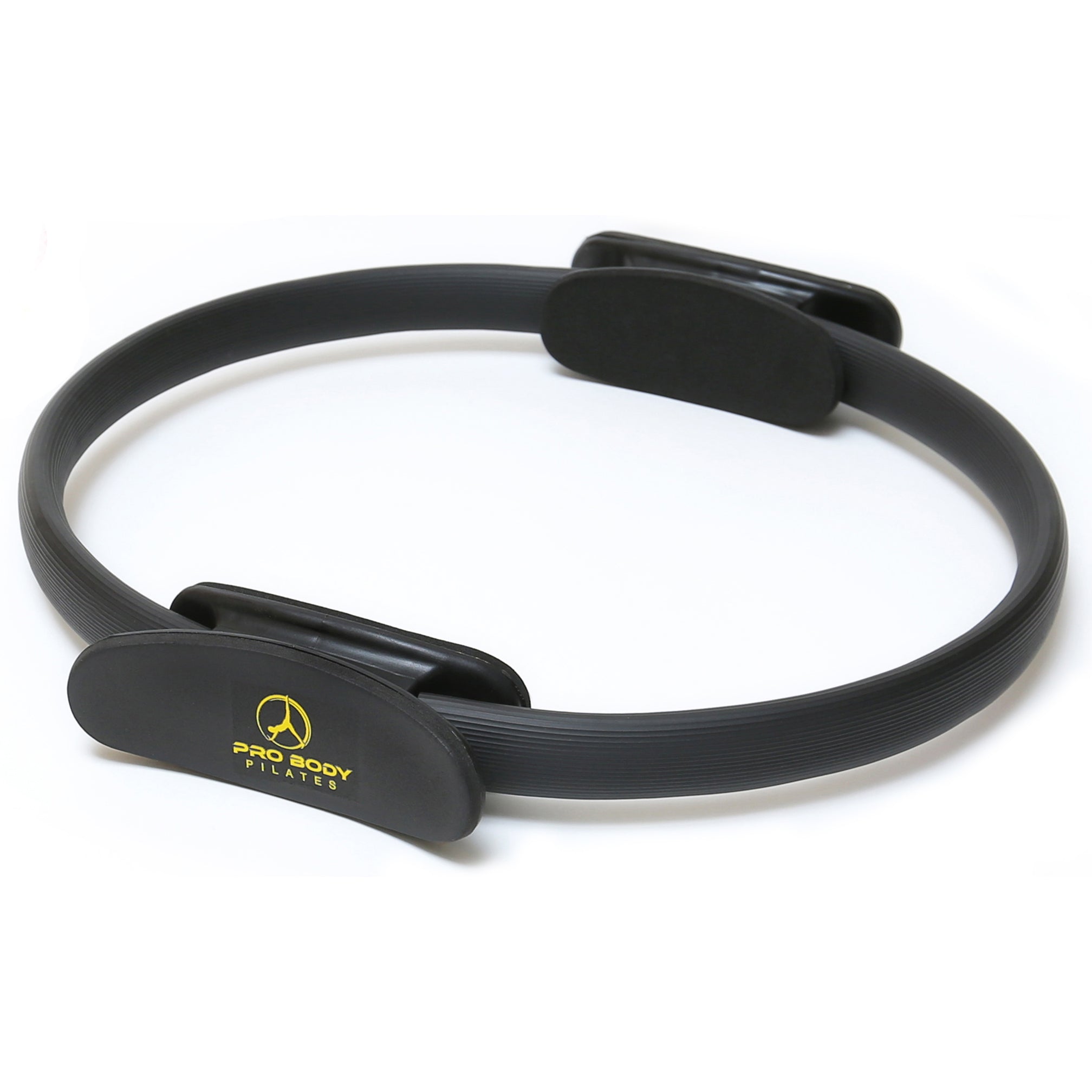
Product photograph: ProBody Pilates.
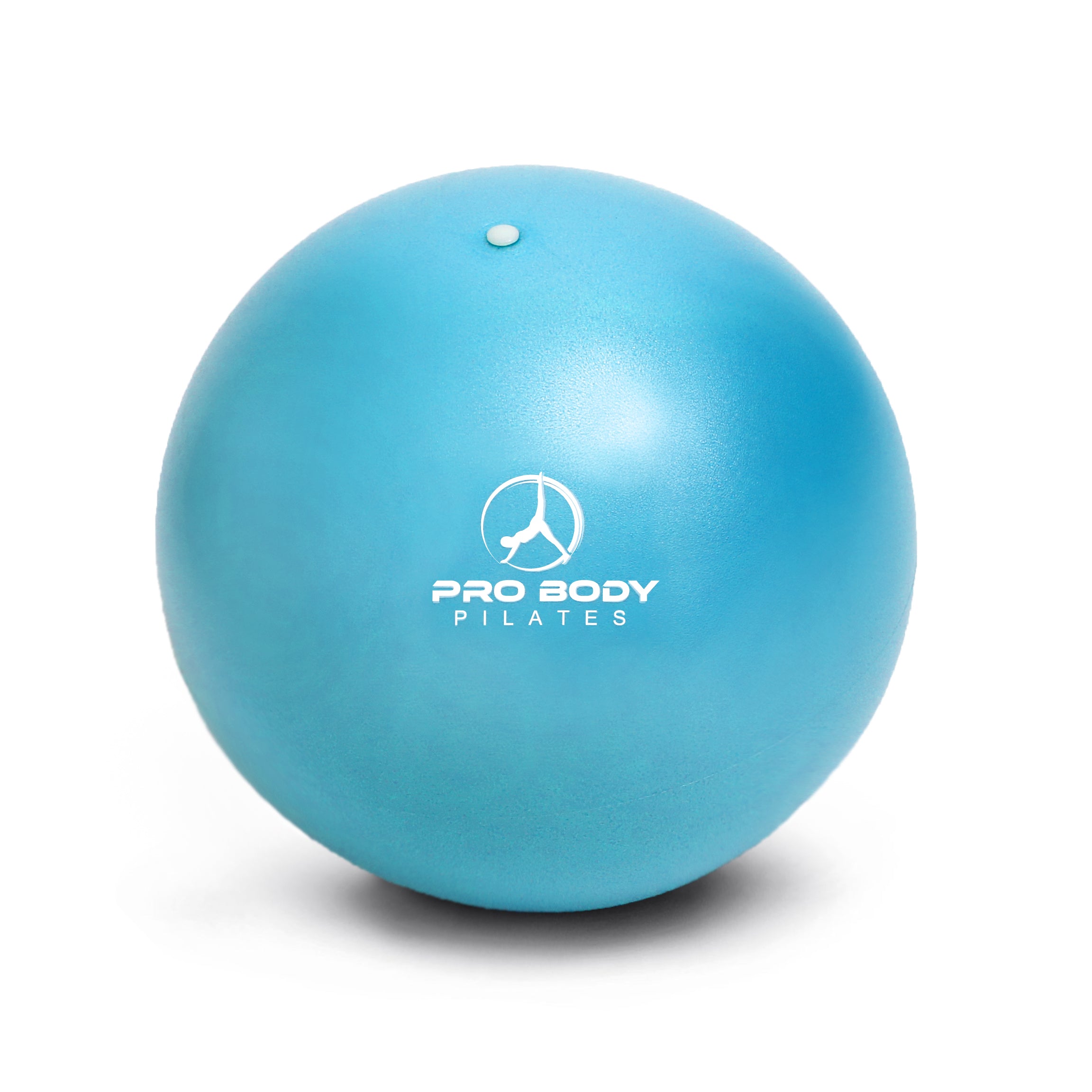
Product photograph: ProBody Pilates.
Choose your class before your equipment
Look at the equipment list for the sessions you will realistically repeat. Some mat sessions use no props; others call for a ring, small ball or bands. A compact accessory kit is not a reformer, and a sliding board is not automatically a substitute for the equipment shown in a reformer class.
Keep the first purchase small enough to store where you will use it. If setup involves moving several boxes or searching for loose accessories, the attractive product photo has not solved the practical problem.
| Item | Buy when | Check before checkout |
|---|---|---|
| Exercise mat | Your planned floor sessions need one. | Usable length, surface, thickness and storage. |
| Pilates ring | Your sessions specifically use a ring. | Diameter, grip shape and resistance feel. |
| Small Pilates ball | Your sessions call for this kind of prop. | Inflated size, inflation method and care. |
| Resistance bands | The class specifies bands. | Band style, resistance and material. |
| Grip socks | Your studio or chosen class requires them. | Fit and the studio’s own requirements. |
Two compact product examples
The ProBody Pilates ring is listed as a 14-inch ring with a carrying pouch. The ProBody small exercise ball is a 9-inch model. These give you concrete sizes to plan around; they are not interchangeable tools. We compare their roles in Pilates ring versus mini ball.
Worked storage example, added October 12, 2026: Imagine a drawer with a clear interior 16 inches wide, 12 inches deep and 5 inches high. A nominal 14-inch ring does not lie flat in a 14-by-14-inch space there because the drawer is only 12 inches deep. That does not prove every angled position fails; it tells you a simple flat-storage plan fails. Measure the ring including its pads and test a cardboard outline before relying on a diagonal fit.
A ball inflated to a 9-inch diameter would exceed the same drawer’s 5-inch height. Deflation changes the storage problem, but adds setup time and loose accessories. The standard ProBody 9-inch ball listing describes inflation with a straw; a separately named pump bundle is a different offer. Check your selected package rather than assuming every version includes a pump.
| Storage choice | Measure or check | Practical trade-off |
|---|---|---|
| Ring stored flat | Full outer size, including pads, plus the drawer opening. | Quick access, but a shallow drawer can still be too narrow. |
| Ball stored inflated | Usable height, width and depth at its instructed inflation level. | Ready to use, but occupies three-dimensional space. |
| Ball stored deflated | Inflation tool, stopper storage and the model’s care instructions. | Smaller package, with extra setup before use. |
Keep the inflation accessories together and leave room to retrieve the equipment without bending the ring or forcing a ball into a gap. ProBody also says not to leave this ball on finished wood when it is not being used. Choose a suitable storage location according to its care instructions. The drawer dimensions above are an example, not a tested fit claim for either product.
Separate pieces versus a kit
Use a three-column list: pieces you will use, pieces you already own and pieces you do not need. Compare the delivered cost of the first group with the price of the full kit. Shipping can change which option is cheaper.
For example, suppose a ring costs $22 and the ball you want costs $10, while a kit containing both is $30. If delivery costs are identical, the kit could save $2. If you only need the ring, the kit adds $8 of spending. These are illustrative numbers, not current retailer quotes.
Material matters too. ProBody says its loop and exercise bands contain latex, unlike the other products covered by that statement. Check the exact item and avoid treating a whole kit as latex-free based on its ring or ball description.
Plan the storage before buying
- Measure the shelf, basket or drawer opening, not just the space inside it.
- Check that the mat has a place to dry before it is rolled or folded.
- Keep the small ball away from sharp items, following its instructions.
- Put the equipment list with the kit so you can check whether a new class needs anything different.
Our starting recommendation
Begin with a suitable mat if needed and one prop used in your chosen sessions. Add the second prop only when it appears regularly in the sessions you take. Color coordination is a preference; compatibility with your routine is the buying criterion.
Shopping: ProBody Pilates ring on Amazon (paid link); ProBody ball details. Check exact colors, contents and stock. For a different kind of compact home equipment, see mini steppers versus walking pads.
Sources and limits
The linked ProBody ring and ball pages supply product details and materials. This guide does not prescribe exercises or claim that a kit produces a particular physical result. Photos are manufacturer product photographs.