
Choose a foam roller length by the space you have and the routine you already use. A longer roller gives you more length to work with, but also creates a larger object to store and carry.
By RecoveryGlow · Sources checked September 13, 2026. These are buying recommendations based on published specifications and practical fit, not hands-on testing.
As an Amazon Associate I earn from qualifying purchases. Amazon links are marked as paid links. How our links work
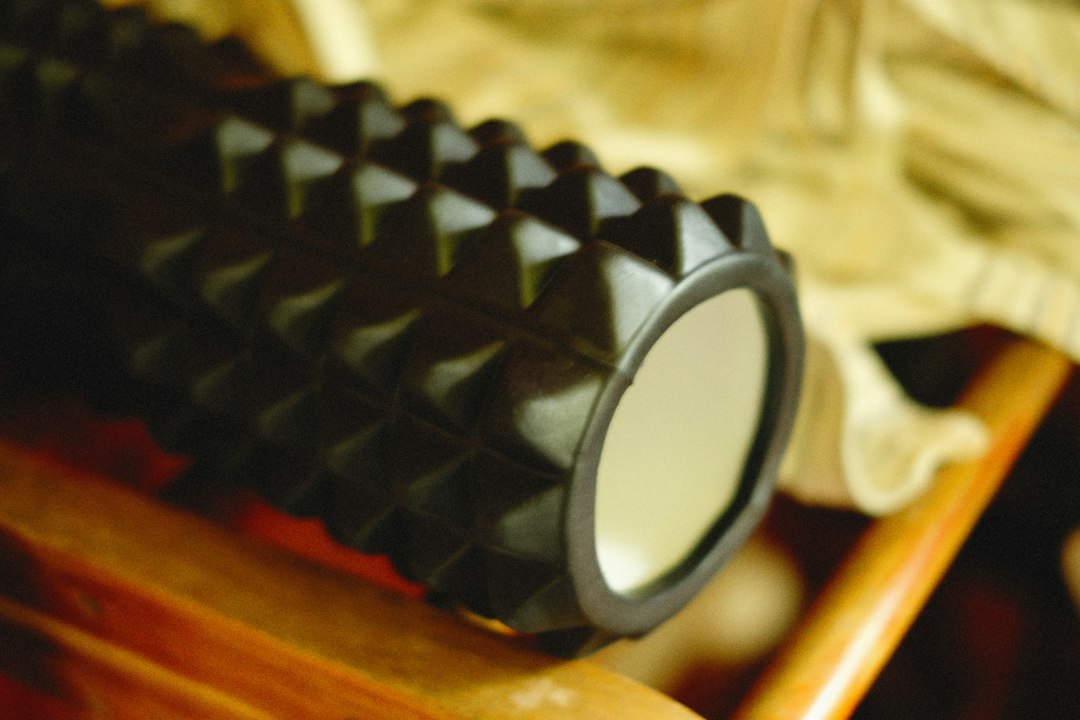
Illustrative foam roller photo, not a photograph of the compared products. Photo by Alexey Demidov / Unsplash.
A size guide you can use before ordering
| Size group | Practical reason to consider it | What to check first |
|---|---|---|
| Compact: 12–13 inches | A bag or a small storage space | Diameter, opening size and room beside your usual gear |
| Medium: 18 inches | A home setup where compact feels restrictive | Whether it fits the intended shelf or basket |
| Longer: 26 inches | A known need for more working length | Clear floor and storage space |
| Full length: 36 inches | A routine that specifically calls for this length | Whether you can store a three-foot rigid item |
These categories are a shopping framework, not a prescribed exercise progression. You do not need to work your way up to the longest roller. The right size is the one that fits the activity and environment you have in mind.
Real product examples: TriggerPoint CORE lists 12-, 18- and 36-inch options. The GRID 1.0 and GRID 2.0 list 13 and 26 inches respectively. Check the selected variant before relying on a retailer’s dimensions.
The two-minute measurement check
First, choose its home. Identify one bag compartment, shelf or corner where you intend to keep the roller. A vague plan to put it somewhere is how equipment ends up under a bed.
Second, measure the opening. A storage basket or bag can have a smaller opening than its interior. Check the narrowest point the roller must pass through.
Third, check all three dimensions. Length alone is not enough. A cylinder also needs room for its diameter. Leave room for your hand to remove it rather than choosing an exact, friction-tight fit.
Fourth, repack your normal equipment. Shoes and clothing need their space first. Test the remaining space with a rough cardboard or paper outline, remembering that a flat outline understates the roller’s depth.
Why bag volume can mislead
A bag advertised in liters tells you total capacity, not the longest rigid object it accepts. A tall, narrow compartment and a short, wide compartment can hold similar volumes while fitting very different equipment.
Here is a simple example. Suppose your bag has a straight internal space of 16 inches. A 13-inch roller leaves three inches along that axis before allowing for padding or surrounding items. An 18-inch roller will not lie straight in that space. It might fit diagonally, but you must check the actual opening, diameter and packed bag rather than assuming it will.
That example is a fit calculation, not a measurement of a particular bag or a guarantee that a compact roller will fit. For a broader packing check, see recovery equipment for a small gym bag.
Length and firmness solve different problems
Changing length changes the physical space a roller occupies. It does not by itself answer whether you will like its feel. If the last roller you tried felt uncomfortable, identify its construction before replacing it with a different size.
You can compare that separate choice in our CORE vs GRID guide. If you already know you want the GRID design, the 13-inch vs 26-inch comparison focuses on that narrower decision.
A practical starting point
For travel, start by considering a compact size and reject any model that fails the packed-bag test. For a dedicated home space, choose the length that a routine you already follow calls for. When replacing an existing roller, measure it and decide exactly what you want to change.
If you are unsure whether you need a roller at all, postpone the purchase until you can name when you will use it. Storage-friendly equipment that never comes out is still unused equipment.
Find the size you decided on
Find 12-inch CORE rollers on Amazon (paid link)
Find 18-inch CORE rollers on Amazon (paid link)
Find 36-inch CORE rollers on Amazon (paid link)
Amazon links open search results. Check the exact model, size, seller, package contents and return terms. Prices and availability are shown on Amazon.
For the 26-inch alternative, use our GRID 2.0 comparison. These are examples to make the size decision concrete, not an exhaustive ranking of all rollers.