Start with construction, then choose a length. TriggerPoint CORE and GRID share recognizable surface patterns, but similar-looking ridges do not mean the rollers have the same underlying design.
By RecoveryGlow · Sources checked September 21, 2026. These are buying recommendations based on published specifications and practical fit, not hands-on testing.
As an Amazon Associate I earn from qualifying purchases. Amazon links are marked as paid links. How our links work
Products in this comparison
See the actual models, then compare the details below.
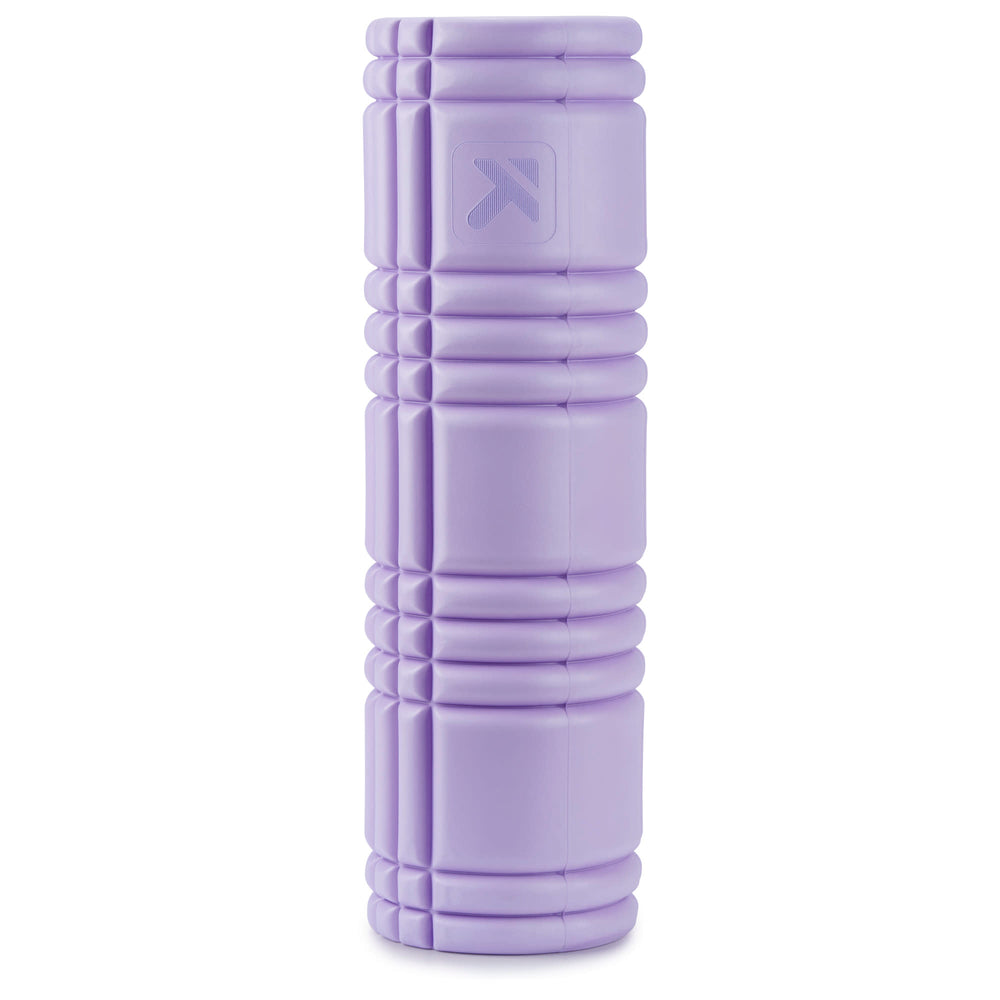
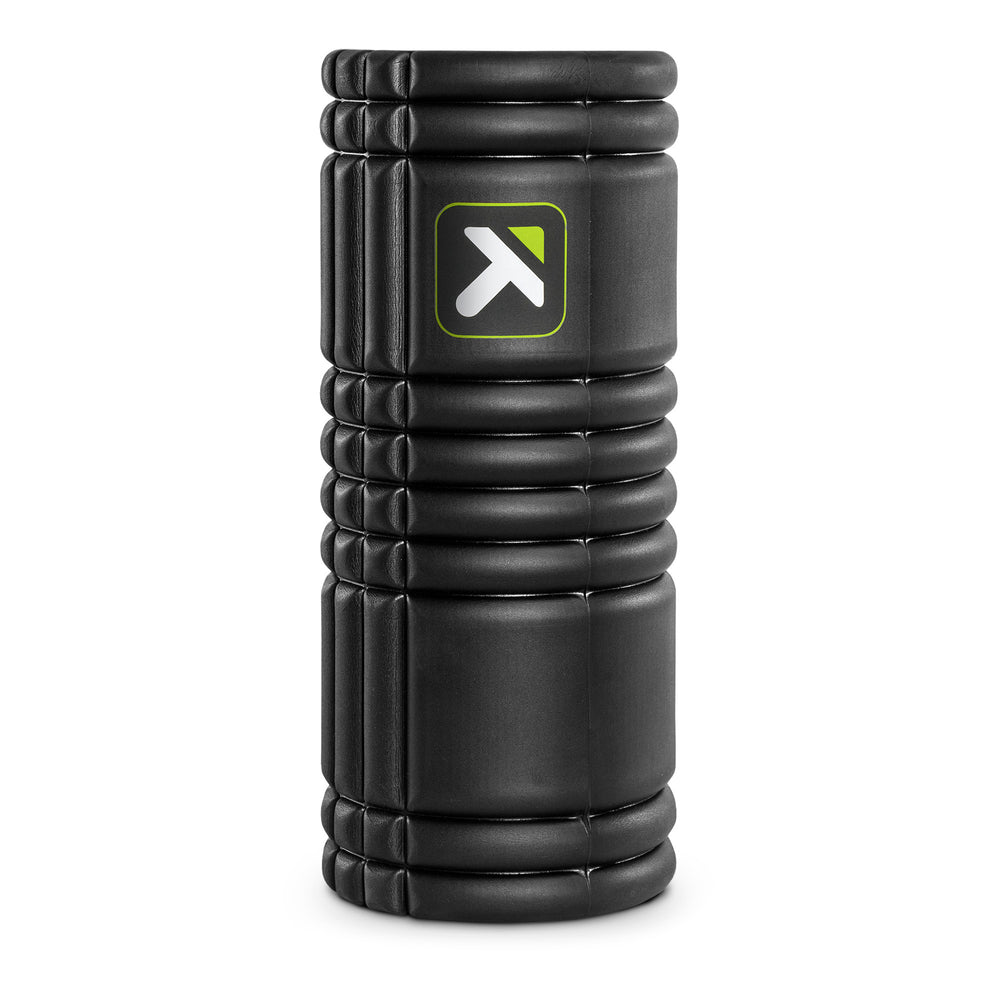
Photos: TriggerPoint. Product photographs are not to scale. Shopping buttons open the matching manufacturer product pages. Check current price and availability there.
What the manufacturer actually specifies
| Question | CORE | GRID 1.0 |
|---|---|---|
| What is inside? | Solid EVA foam | Hollow core under EVA foam |
| How is CORE positioned? | Manufacturer describes medium density and moderate pressure | Choose based on the hollow-core design and your own feel preference |
| Which lengths are listed? | 12, 18 and 36 inches | 13 inches; the separate GRID 2.0 is 26 inches |
| Is it powered? | No | No |
Product facts: TriggerPoint CORE and GRID 1.0. The separate longer GRID model is covered in our GRID size comparison.
Do not use texture as a shortcut for firmness
A product photograph can show where the ridges sit. It cannot tell you how a roller will feel under your body or which pressure you will prefer. A deep-looking pattern is not a standardized measurement of firmness.
Treat a manufacturer’s density description as a starting point. If you have access to a roller at a gym, write down its model and size before shopping. An actual model reference is more useful than trying to remember whether the one you liked looked blue, black or heavily textured.
For an online purchase without that reference, a clear return policy matters more than another enthusiastic rating. Read whether the seller accepts opened equipment, how long you have to return it and who pays return shipping. Do that before checking out, not after discovering you dislike the feel.
When CORE is the more sensible shortlist
Put CORE on the shortlist if you specifically want a solid-foam design and its published density description matches your preference. Then select the size for your storage and routine. Do not buy the longest option as a substitute for deciding what you actually need.
A person who wants one roller to remain in a home exercise area faces a different decision from someone carrying equipment to a gym. The home buyer can spend more attention on available working length. The traveling buyer needs to make the complete item fit an already packed bag.
When GRID deserves a closer look
Consider GRID when you already know you want its type of construction and the compact format suits you. If you tried a GRID at a gym and liked it, check the label before ordering. Other models in the same family can look similar in a small retailer thumbnail.
Avoid interpreting GRID as a universal upgrade from CORE. A higher checkout price is not evidence that you will prefer using it. The more defensible purchase is the one that reproduces a known preference or solves a specific fit problem.
Resolve these three questions before buying
| Question | What to write down |
|---|---|
| Which feel have I liked before? | The actual roller model, or ‘not yet known’ |
| Where will this roller live? | Shelf or bag measurements |
| What happens if I dislike it? | Seller, return window and any return cost |
If the first answer is unknown, admit that uncertainty. You are making a trial purchase, not confirming a proven personal favorite. That should influence how much you spend and how important easy returns are to you.
If the second answer is unknown, use our foam roller size guide. Construction and length are separate decisions; getting one right does not compensate for getting the other wrong.
Compare current listings
Find CORE sizes on Amazon (paid link)
Find GRID 1.0 on Amazon (paid link)
Amazon links open search results. Check the exact model, size, seller, package contents and return terms. Prices and availability are shown on Amazon.
Questions this comparison does not answer
We have not tested the products for durability, comfort or medical outcomes. This guide cannot establish which roller treats an injury or which pressure is appropriate for a medical condition. Follow the product instructions; an equipment comparison is not a treatment plan.
The checklist to use before buying any recovery tool
All RecoveryGlow buying guides
Use a pressure ladder instead of guessing
Start with the least pressure that lets you control the movement. You can change pressure without buying another roller: support more body weight with your hands or opposite leg, roll against a wall instead of the floor, or shorten the time on one area. If the pressure makes you brace, hold your breath or rush the movement, the setup is not giving you useful control.
| Your starting point | More defensible shortlist | Question to resolve |
|---|---|---|
| New to rolling or unsure about pressure | CORE, because TriggerPoint specifies medium density and moderate pressure | Which CORE length fits the way you will store and use it? |
| You already liked a GRID 1.0 | GRID 1.0, matching the 13-inch model you tried | Does the current seller allow returns after opening? |
| You know the size, but not the feel | Do not treat either model as confirmed | Can you try one locally or buy from a seller with clear returns? |
Worked example: a buyer wants a roller for a 15-inch shelf and has never tried a hollow-core model. Both the 12-inch CORE and 13-inch GRID 1.0 fit the shelf, so dimensions do not settle the purchase. The manufacturer describes CORE as medium density with moderate pressure, while GRID 1.0 is identified by its EVA surface over a hollow core. That buyer can reasonably start with CORE or prioritize a trial and easy returns. The page cannot infer which one will feel better.
For a broader density decision before comparing brands, use the soft vs firm foam roller guide. Product specifications were rechecked on TriggerPoint’s CORE page and GRID 1.0 page on September 21, 2026.