Give the purchase a specific job. A vague promise is an expensive reason to shop.
Based on published specifications and practical buying considerations. We have not hands-on tested these products.
Explore the equipment
One example to put the buying checklist into practice. Start with the job you need the equipment to do.
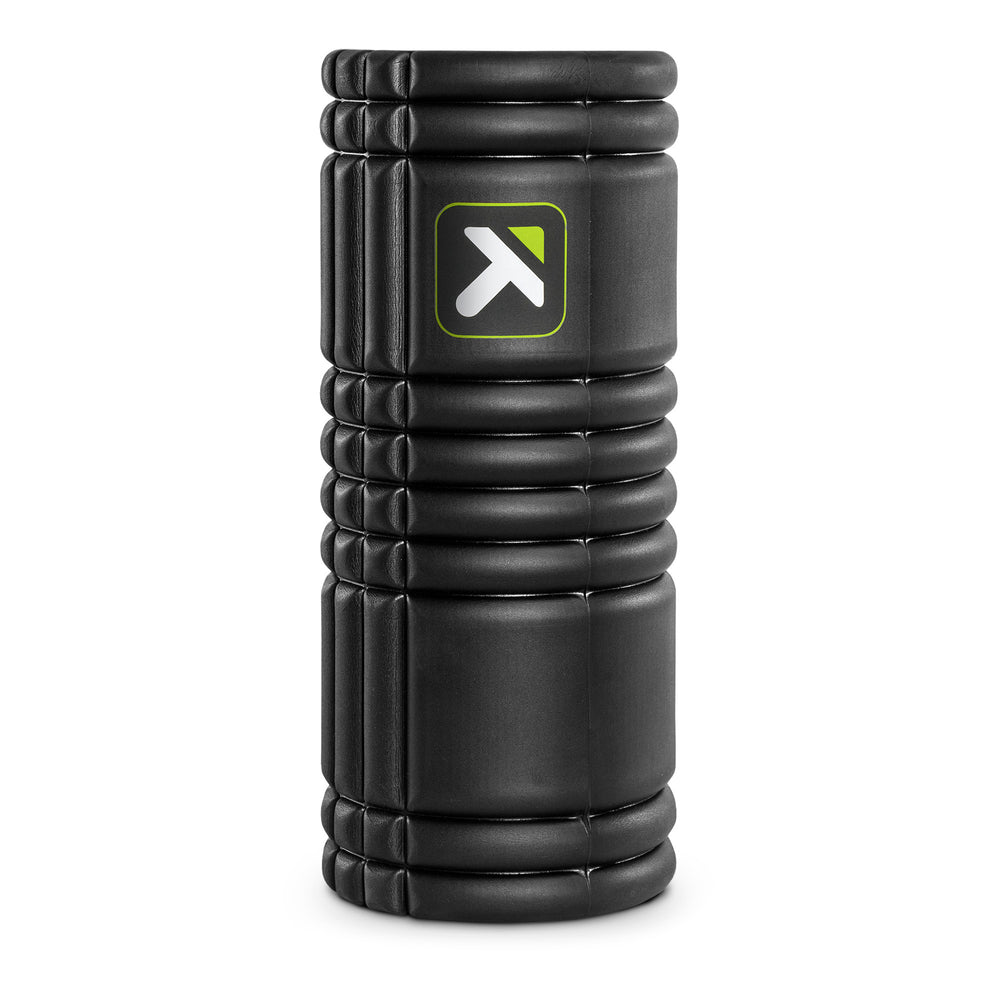
Photos: TriggerPoint. Product photographs are not to scale. Shopping buttons open the matching manufacturer product pages. Check current price and availability there.
Name the reason
Write one sentence describing why you want a tool. “I enjoy using the roller at the gym and want one at home” is a specific reason. “I should probably have more recovery equipment” leaves you open to buying features without a plan.
If you already own something that does the job, compare the new purchase with keeping what you have. There is no requirement to upgrade because a manufacturer has released a new generation. Our Withings BodyScan 2 buying guide applies that test to a new smart scale, including cheaper alternatives, subscription costs and features that may still require an update.
Try before committing
For products that depend on feel, a short trial can answer questions a specification table cannot. Ask whether a gym or retailer has a demonstration model. Check grip, surface texture and controls. A device can be well made and still be a poor fit for your preferences.
Set a complete budget
Include delivery and any essential accessories. Compare the exact same model and package across retailers. For an illustrative budget, a $160 device plus a $20 case and $10 delivery totals $190 before tax. A $200 limit would leave just $10 before tax or other essentials. These are example amounts, not current product prices. If another bundle includes the case, compare complete totals rather than adding it twice. Read the return conditions before paying, especially whether opening or using an item changes your options.
Use a two-outcome budget
Write down both the cost if you keep the equipment and the money you could lose on an eligible return. Include seller deductions, return shipping and any nonreturnable accessories. A free-delivery offer only answers the first shipping question. It does not establish that sending the equipment back will be free.
| Before paying | Write down | Stop and clarify if |
|---|---|---|
| Purpose | The task and place where you will use it | You cannot name a practical limitation it solves |
| Complete cost | Item, delivery and required accessories | The total depends on an unspecified bundle |
| Exit cost | Eligibility, deadline and potential return charges | You are assuming that a trial is free |
| Evidence | Model page, policy and dated receipt | Different seller pages contradict each other |
For a bulky-equipment example, a $180 purchase with a $27 refund deduction and $45 return-shipping bill leaves $72 unrecovered. The seller refunds $153, and shipping reduces the net amount recovered to $108. The numbers are illustrative, but the comparison applies to smaller equipment too: resolve the missing costs before checkout.
Buying for movement rather than recovery? Start with fixed versus adjustable weighted vests, the small-space Pilates kit, or compact cardio comparisons. Choose the guide that matches your intended activity rather than treating these products as interchangeable.
Keep expectations specific
RecoveryGlow covers equipment buying decisions. These guides do not diagnose pain or establish that a product will treat an injury. Follow the manufacturer’s instructions and seek qualified clinical advice for a medical concern.
Our buying rule is simple: choose the least complicated option that does the job you can describe. Save the upgrade for a limitation you have actually encountered. For a roller, start with the foam roller size guide, then compare TriggerPoint CORE and GRID. For a portable handheld device, compare Theragun Mini 3rd Gen and Hypervolt Go 3 against your grip, charging and packing needs. Buying for someone else? Use our recovery gear gift checklist before choosing a model.