A foam roller’s density changes how much it yields under load, but “soft,” “medium” and “firm” are not standardized ratings across brands. Choose by the pressure you can control, then check construction, diameter, length and return terms before comparing colors or popularity.
By RecoveryGlow · Sources checked September 21, 2026. This is a research-backed buying guide based on manufacturer specifications, not hands-on testing or medical advice.
As an Amazon Associate I earn from qualifying purchases. Amazon links are marked as paid links. How our links work
Two useful reference points
CORE is a published medium-density solid-foam option. GRID 1.0 uses an EVA surface over a hollow core. Neither label predicts your personal comfort, so use the decision steps below.
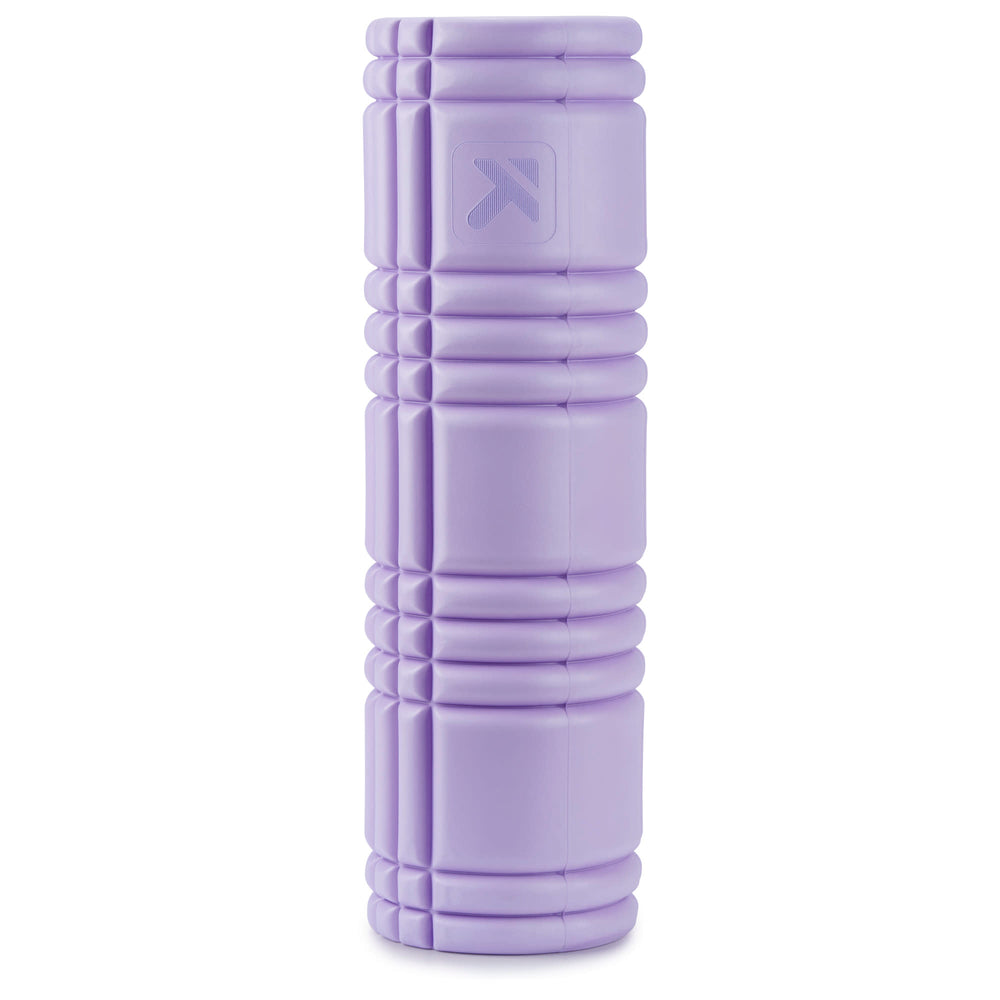
Medium-density reference
TriggerPoint CORE
Solid EVA foam · choose 12, 18 or 36 inches
Shop at TriggerPoint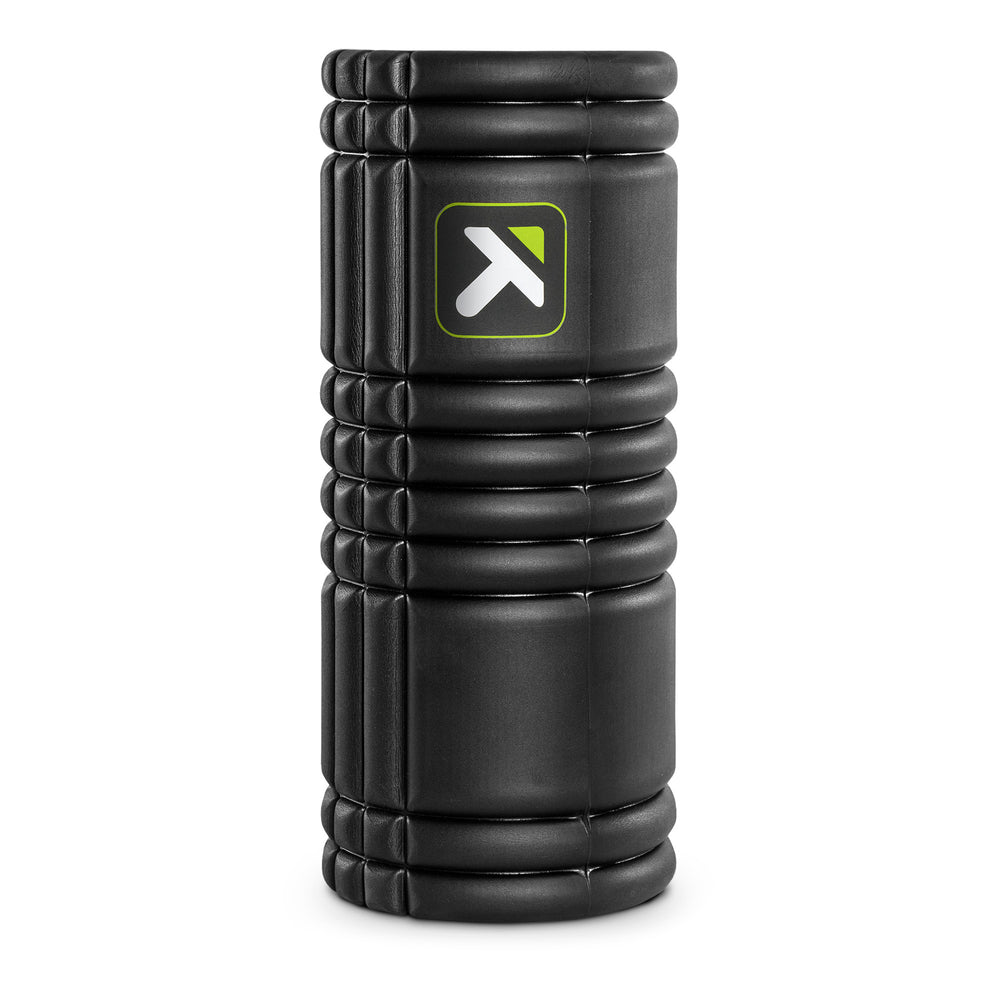
Photos and product facts: TriggerPoint. Product photographs are not to scale. Manufacturer buttons open the exact model pages. Check current price, selected size and availability there.
The short answer
Choose a softer or moderate roller when you are unsure how much pressure you can comfortably control, when you want more surface give, or when your first priority is learning the movement. Consider a firmer construction only when you already know you prefer less give and can keep the pressure controlled. A firm roller is not automatically more effective, and discomfort is not a useful quality score.
If you have a current injury, persistent pain, numbness, unusual swelling or a medical condition that affects sensation or circulation, ask an appropriate clinician whether and how to use a roller. A product comparison cannot select a treatment or diagnose the cause of symptoms.
Why density labels are easy to misread
Brands use words such as soft, medium, firm and extra firm, but those labels do not create a common measurement scale. Materials and internal construction matter too. A solid foam cylinder and an EVA layer over a rigid hollow core can feel different even when a retailer gives both the same broad firmness label.
Diameter changes the experience as well. A larger diameter raises your body farther from the floor; a smaller diameter can make positioning easier in some areas. Surface ridges change where pressure is concentrated. Length affects stability and what fits in your room or bag. Treat density as one field in a product specification, not the entire decision.
A practical decision path
Pressure preference unknown
Start with more give or published moderate pressure
Choose length and diameter for your space
Verify seller, exact model and return terms
Soft, medium and firm: what each choice changes
| Starting category | What it may make easier | What to verify |
|---|---|---|
| Soft or more yielding | Learning positions while keeping pressure easier to reduce | Whether the foam keeps its shape, the exact dimensions and the manufacturer’s intended use |
| Medium or moderate | A middle starting point when the maker publishes a clear density description | Whether “medium” refers to solid foam, layered foam or another construction |
| Firm or less yielding | Reproducing a firmer feel you already know you prefer | Return terms, surface texture and whether you can still control load without bracing |
This table is a buying framework, not a clinical prescription. Your body position and support points can change pressure more than a marketing word. Against a wall, more weight remains through your feet. On the floor, a larger share of body weight can move onto the roller. That is why the same product can feel different across positions.
Use a pressure-control test before buying firmer
When you can try a roller locally, use a position that lets you support some weight with your hands, feet or opposite leg. Move slowly enough to stop immediately. Ask three questions: can you breathe normally, can you control the speed, and can you reduce the pressure without abandoning the position? If the answer to any is no, a firmer roller does not solve the problem.
For an online purchase, replace the physical test with a risk-control test. Record the product’s exact model, material, dimensions and published density wording. Then read whether opened equipment can be returned, how long the return window lasts and who pays return shipping. A familiar brand name is not a substitute for those terms.
A worked example: two buyers, two rational choices
Buyer A has never used a foam roller and needs one that fits a 16-inch shelf. A 12-inch CORE fits, and TriggerPoint identifies it as medium-density solid EVA foam with moderate pressure. That does not guarantee comfort, but it gives Buyer A a specific, documented starting point. The next checks are the seller’s return terms and whether the four-inch diameter suits the intended positions.
Buyer B regularly uses a 13-inch GRID 1.0 at a gym and wants the same format at home. Matching the model label and 13-inch length is stronger evidence than choosing a different roller because it is described as “professional” or “extra firm.” Buyer B should still confirm the current product variant and seller, but the known reference reduces guesswork.
Neither example claims that one density improves recovery more than another. A published meta-analysis of foam-rolling studies examined performance, flexibility and recovery outcomes, but it does not provide a universal shopping rule for the density an individual should buy. See the PubMed record for Wiewelhove and colleagues.
CORE and GRID 1.0 are not simply soft versus firm
TriggerPoint currently describes CORE as a medium-density, solid-foam roller providing moderate pressure. It is sold in 12-, 18- and 36-inch lengths. GRID 1.0 uses EVA foam over a hollow core and is listed at 13 inches. Those are construction and size facts. The manufacturer does not publish a cross-brand numerical firmness scale that proves one model will feel a particular amount firmer to you.
Use our CORE vs GRID construction comparison when those are your final two models. If length is still unresolved, begin with the foam roller size guide. If you need a longer hollow-core option, compare GRID 1.0 and GRID 2.0 separately.
Before checkout, write down these seven answers
- The exact brand, model and generation.
- The manufacturer’s density wording and construction.
- The roller’s length and diameter.
- Where it will be stored or carried.
- Whether you have tried this exact model.
- The seller’s return window and opened-item policy.
- The reason this option fits better than the next one.
If you cannot answer number seven without repeating an advertisement, pause the purchase. A useful reason sounds like “the 12-inch model fits my shelf and its published moderate pressure is a lower-risk first trial,” not “it looks more intense.”
Check current listings
Find TriggerPoint CORE sizes on Amazon (paid search link)
Find TriggerPoint GRID 1.0 on Amazon (paid search link)
Amazon links open search results, not guaranteed exact-product pages. Check the exact model, size, seller, package contents and return terms. Prices and availability are shown on Amazon.
Sources and limits
Product details were checked on the official TriggerPoint CORE and GRID 1.0 pages on September 21, 2026. RecoveryGlow has not performed hands-on durability, comfort or pressure testing. No rating, medical outcome or treatment claim is inferred from the manufacturer descriptions.
Use the full recovery-equipment buying checklist
Browse all RecoveryGlow buying guides